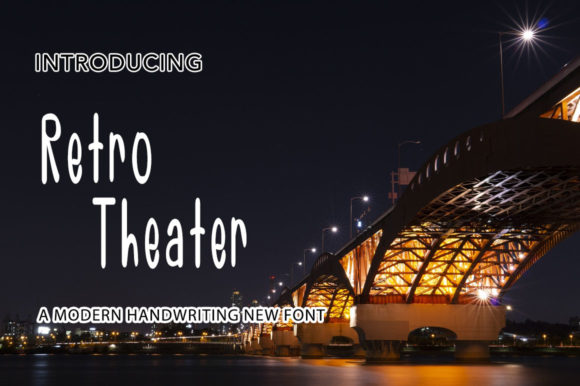
Retro Theater Font for Business Branding
As a small business owner, I know how important it is to create a strong brand identity that resonates with your audience. Every detail—from your logo to your social media posts—plays a role in how your business is perceived. That’s why choosing the right font can make all the difference. Retro Theater is a cute and casual handwritten font that brings a unique personality to your designs. It’s more than just a typeface; it’s a tool that helps you build consistency, professionalism, and recognition across all your business touchpoints.
What Is Retro Theater?
Retro Theater is a script amp font designed with a playful and nostalgic vibe. Its flowing lines and soft curves give it a handcrafted feel, making it ideal for creative projects that require a personal touch. Whether you’re designing a menu for your café or creating Instagram graphics for your boutique, this font adds warmth and character without being too overpowering.
The font’s personality is both friendly and elegant, striking a balance between whimsy and sophistication. It’s perfect for businesses that want to convey approachability while maintaining a sense of style. Its visual appeal makes it stand out in a sea of generic fonts, helping your brand feel more authentic and memorable.
How Retro Theater Enhances Your Brand Identity
Consistency is key when building a brand. Using the same font across all your materials helps reinforce your brand identity and makes your business more recognizable. Retro Theater is versatile enough to be used in multiple ways, from logos and packaging to social media content and website banners. This versatility ensures that your brand remains cohesive no matter where your customers encounter it.
When used correctly, Retro Theater can elevate your brand’s image by adding a layer of creativity and personality. It’s not just about looking good—it’s about communicating your values and style through design. A well-chosen font like Retro Theater can help your business appear more trustworthy and professional, even if you’re running a small operation.
Real-World Applications for Retro Theater
Let’s look at some practical examples of how Retro Theater can be used in your business:
- Bakery Branding: Use Retro Theater on your logo, packaging, and social media posts to create a warm, inviting brand that feels personal and handmade.
- Handmade Candle Labels: The font’s casual yet elegant style works beautifully on product labels, giving your candles a charming and artistic flair.
- Beauty Product Packaging: Pair Retro Theater with clean sans serif fonts to create a balanced look that appeals to both style-conscious and practical buyers.
- Coaching Business: Use the font as an accent in your website headers or email signatures to add a touch of personality to your professional branding.
- Café Menus: The font’s readability and charm make it ideal for menus, especially in a cozy, retro-inspired café setting.
- Boutique Logo: Incorporate Retro Theater into your logo design to reflect a creative and unique brand identity.
- Online Shop Branding: Use the font in your shop name, product descriptions, and promotional graphics to create a cohesive and appealing brand presence.
Each of these applications shows how Retro Theater can be tailored to fit your business’s specific needs while maintaining a consistent and professional look.
When to Use Retro Theater
Understanding when to use Retro Theater as a headline, logo, display font, accent font, or supporting typeface is essential for effective design. Here are some guidelines:
- Headline: Use Retro Theater for headlines or titles to grab attention and add visual interest.
- Logo: The font’s elegant curves make it a great choice for a logo, especially for creative or lifestyle brands.
- Display Font: Use it sparingly for large text elements like banners or posters to maintain readability.
- Accent Font: Pair it with a clean sans serif font for a balanced and modern look.
- Supporting Typeface: Use it in smaller text areas like footers or callouts to add personality without overwhelming the reader.
By using Retro Theater strategically, you can ensure that it enhances your design without overshadowing other elements.
Readability Matters
While Retro Theater has a beautiful aesthetic, it’s important to consider its readability in different contexts. For example, using it on small product labels or mobile screens may reduce legibility. Always test how the font looks in real-world settings before committing to it across your entire brand.
For optimal results, pair Retro Theater with a readable serif or sans serif font for body text. This combination ensures that your message is clear and easy to read, whether it’s printed on packaging or displayed online.
Font Pairing Ideas
Pairing Retro Theater with complementary fonts can enhance your design without clashing. Here are a few simple pairing ideas:
- Decorative + Clean Sans Serif: Use Retro Theater for headings and pair it with a clean sans serif font like Montserrat or Open Sans for body text.
- Expressive + Readable Serif: Combine Retro Theater with a classic serif font like Georgia or Times New Roman for a timeless and elegant look.
- Modern Typography + Handwritten: Pair Retro Theater with a modern sans serif font to create a fresh and contemporary design.
These pairings allow you to maintain a cohesive and visually appealing brand while ensuring readability and functionality.
Commercial Font Licensing
Before using any font on products, packaging, templates, merchandise, or digital downloads, always check the commercial font licensing terms. Retro Theater is available through Script Amp, and its licensing options should align with your business needs. Ensuring proper licensing protects your business and helps you avoid potential legal issues.
With the right font, your brand can stand out in a crowded market. Retro Theater offers a unique blend of style and functionality that can help your small business look more professional, consistent, and trustworthy. By incorporating this font into your branding strategy, you’ll create a stronger connection with your audience and set your business apart from the competition.