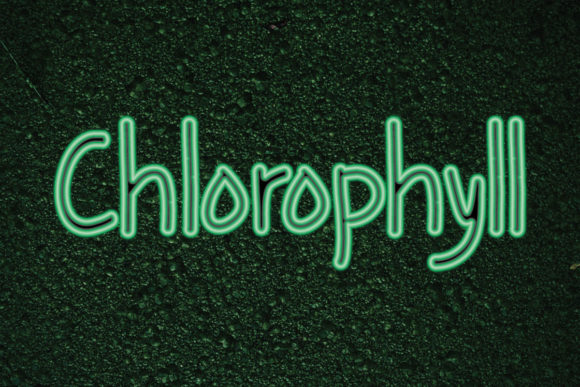
Chlorophyll: A Font That Breathes Life Into Your Creations
Where Can I Use Chlorophyll?
From handmade labels to wedding invitations, Chlorophyll adds a touch of personality to every piece. Here are some of my favorite uses:
- Candle Labels: Pairing Chlorophyll with a soft pastel background creates a dreamy, rustic look.
- Greeting Cards: The font’s playful nature makes it great for birthday or holiday cards.
- Wedding Invitations: It adds a charming, intimate feel to your stationery.
- Printable Wall Art: Use it for quotes or seasonal phrases that add a creative touch to your home decor.
- Boutique Packaging: A simple label with Chlorophyll can elevate your product’s presentation.
- Seasonal Tags: Perfect for holiday tags or boutique signs that need a bit of flair.
How Does It Impact My Work?
Using Chlorophyll has transformed the way I think about brand identity. It helps create a cohesive look across all my products, from digital printables to physical items. Customers seem to connect more with the handmade feel of the font, which reinforces the authenticity of my brand.
It also plays a role in customer engagement. When people see the font on my packaging or social media graphics, they remember my shop. It becomes part of their experience, making them feel like they’re part of a community of creators.
Font Pairing & Design Tips
Chlorophyll works best when paired with fonts that complement its organic style. A clean sans serif like Montserrat or a simple serif like Georgia can balance its playfulness. For a more elegant look, try pairing it with a bold display font for headings.
When working with cutting machines or SVG files, make sure to test the font at different sizes. Chlorophyll looks best in display use, so avoid using it for long paragraphs or body text. It shines brightest in short phrases, names, and decorative elements.
For small stickers or product labels, keep the text minimal and ensure the font remains legible. Always preview your designs on mockups to see how they’ll look in real life. This helps catch any issues before printing or selling.
Getting Started With Chlorophyll
Before diving into your next project, take a moment to explore what Chlorophyll offers. Check if it includes alternate styles, ligatures, swashes, and weights. These features can add depth and variety to your designs.
Also, make sure you understand the commercial font licensing terms. If you're creating templates, printables, or digital downloads, it's important to know how the font can be used without violating any rules.
Real-World Examples
One of my recent projects involved creating a set of planner pages for a local craft store. I used Chlorophyll for the headings and paired it with a modern sans serif for the body text. The result was a fresh, approachable look that customers loved.
I also designed a series of farmhouse signs for a seasonal market. The font’s charm added a nostalgic feel, making the signs stand out among the other vendors. It was a small detail that made a big difference in the overall aesthetic.
Another favorite is using Chlorophyll for digital templates. Whether it's for wedding invitations or printable wall art, the font gives each design a unique personality that stands out in a crowded marketplace.
Final Thoughts
Chlorophyll isn’t just a font—it’s a tool that brings creativity to life. From the first time I used it on a candle label to now, it has become an essential part of my design process. It adds character, charm, and a touch of personality to everything I create.
Whether you're designing packaging, invitations, or digital assets, Chlorophyll is a font that deserves a place in your collection. It’s not just about looking good—it’s about connecting with your audience in a meaningful way.